Content

Home > Insights & News > Insights > Content

BYD tops Singapore! Chinese automakers' tropical counterattack

2025/03/27

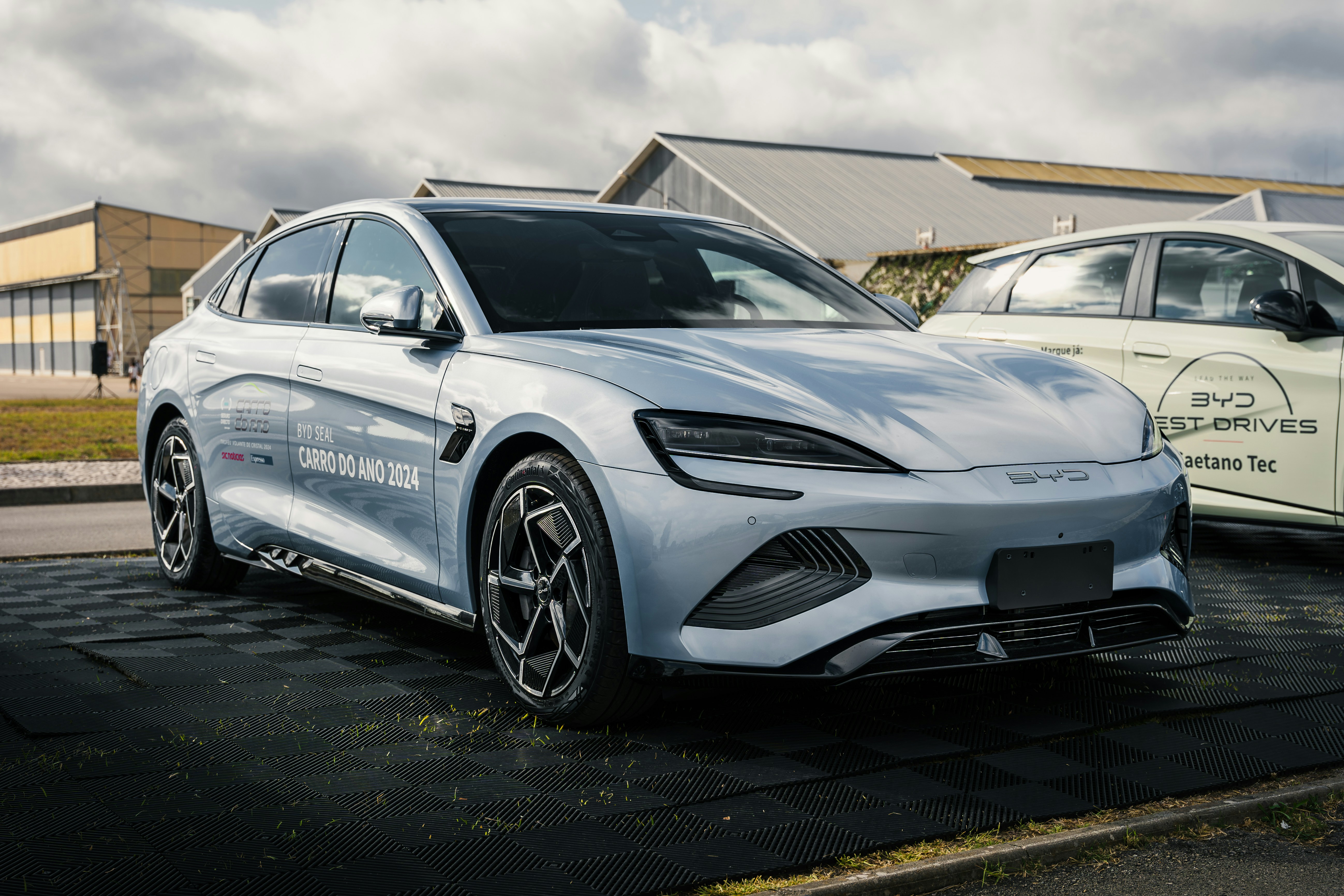
According to the latest data released by Singapore's Land Transport Authority, BYD, a Singaporean electric vehicle brand, has become the best-selling car brand in Singapore in 2024, with 6,191 vehicles sold, surpassing Toyota, BMW, and Tesla.

The secret to success: BYD's Southeast Asian Formula

1. Leveraging policy support

In recent years, the Singapore government has introduced a series of core incentive policies for electric vehicles, including purchase subsidies (EEAI waives the additional registration fee by 45%), expansion of charging infrastructure (60,000 charging stations to be built by 2030), and special incentives for commercial vehicles (HVZES subsidy of up to S$40,000). These combined policies can save up to S$45,000 per vehicle, significantly increasing the market share of new energy vehicles in Singapore.

2. Hard Technological Strength

BYD's tropical adaptation: Blade Battery is resistant to high temperatures, the Eye of the Gods intelligent driving system is able to cope with rainy climates, and right-hand drive models are specifically developed to break through the barriers of the Commonwealth market.

3. Localized Services: A Game Changer for Charging Anxiety

Buy a car and get a free charging station package: three years of maintenance + installation of a charging wall box, solving the pain point of only 30 public charging stations across Singapore; cultural integration marketing: themed restaurants and eco-friendly pop-up stores create a high-end brand image.

4. The Momentum of Globalization

With its parent company covering 100+ countries, technological backing enhances trust.

---

Lessons for Chinese companies going global

Localization goes beyond products: BYD has established a local team in Singapore to provide full-chain support from marketing to after-sales service (such as charging pile installation services); Southeast Asian synergy: BYD is expanding into regions such as Malaysia and Indonesia, and regionalization reduces marginal costs.